

Views: 0 Author: Site Editor Publish Time: 2026-11-06 Origin: Site


Choose a capsule filling machine for herbal products by testing whether your blend fits the selected shell, feeds consistently, and reaches the target fill weight without creating closure problems. A milled leaf powder, a concentrated extract blend, and a free-flowing granule can behave differently even when all three have the same target weight. The best equipment choice is the one that runs your most difficult representative blend at an acceptable output and changeover time.
Start with the formula and shell. Then compare dosing arrangements, operator workload, cleaning access, and downstream requirements. Ask suppliers to show how the proposed machine performs during a sustained run, including a normal refill or restart.
Table of Contents
A light or fibrous botanical powder may occupy more space than a denser extract blend at the same weight. If the target dose is close to the shell’s capacity, first estimate the loose powder volume from its measured bulk density. Then confirm how much your dosing system can transfer into the shell without interfering with closure.
For example, 450 mg of powder at a loose bulk density of 0.30 g/mL occupies about 1.50 mL before compaction. At 0.60 g/mL, the same mass occupies about 0.75 mL. These are screening estimates. Tapped density describes packing after a defined tapping procedure and does not predict the amount a particular filler will deliver. If the trial cannot achieve the target fill consistently, review shell size, dosing settings, or the formulation with the teams responsible for the product.
For a blend containing a fine extract, ask the supplier to observe how the powder enters the dosing area. Does it feed continuously, form a bridge in the hopper, or accumulate on surfaces over time? Record where the issue appears and whether it coincides with weight drift, more frequent stops, or additional cleaning.
Run the trial with the blend in its normal production condition. If the material is usually staged before filling, agree on representative handling and staging conditions. A brief demonstration with freshly prepared powder may miss what happens during a longer run or after an interruption.
Ask which dosing parts are proposed for the actual particle size and target fill. A granulated product may feed well and still need inspection for crushed particles or a change in the mix delivered over time. For blends with several components, agree with your quality team on whether checks beyond net fill weight are needed to assess consistency.
Herbal material | Main selection question | What to check during the trial |
|---|---|---|
Low-density milled herb | Does the target weight fit the shell and allow it to close? | Achievable net fill, powder at the closure area, and shell locking |
Fine or cohesive extract blend | Can the powder feed consistently through a normal batch? | Bridging, buildup, individual fill weights, and operator interventions |
Granules or a mixed botanical blend | Does the proposed dosing system preserve the material and deliver the intended fill? | Particle condition, feed consistency, and any agreed checks for segregation |
Send production samples of the intended capsule size and shell material. If the product brief specifies gelatin or hypromellose (HPMC), test that shell on the quoted tooling. Watch how it feeds, separates, and locks. Include the shell supplier and lot reference in the trial record so the results can be reproduced.
If several herbal products will share the machine, list their shell sizes before requesting a quote. Ask which change parts come with the equipment and which must be ordered separately. A machine that can support several sizes may still require a different set of parts and a separate setup for each one.
Semi-automatic equipment is worth evaluating for pilot batches, uncertain order volumes, or frequent recipe changes. Automatic equipment is worth evaluating when repeated handling limits output or the schedule can use a sustained filling run. For both, compare operator involvement, cleaning, setup, and accepted capsules over the same elapsed period.
Tianhong lists semi-automatic capsule filling machines and automatic capsule filling machines separately. Use those ranges to shortlist equipment. Then ask for the exact dosing setup and size-specific tooling for the blends you intend to run.
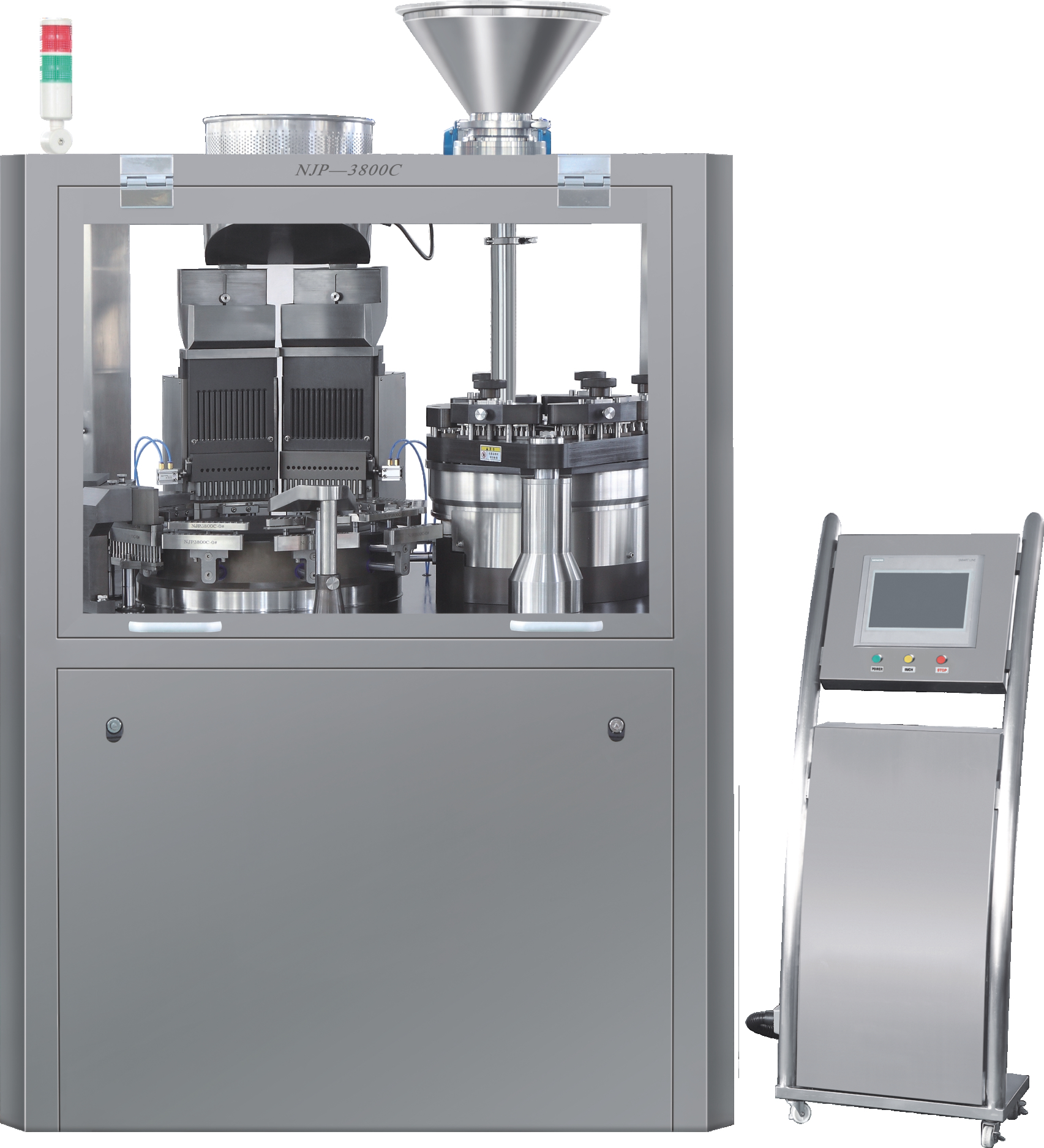
Agree on sampling points at startup, during steady operation, and after a normal refill or restart. Record individual net fill weights rather than relying on a batch average. Check shell locking, visible damage, and powder residue separately. A batch can meet its average weight target and still contain individual capsules outside the agreed limits.
Track the number and duration of stops, the reason for each intervention, and the number of accepted capsules at the agreed inspection point. If the quote includes a polisher or inspection device, decide whether the trial’s output will be counted after that equipment. Use the same counting point when comparing proposals.
Choose a pair of products that reflects your schedule. If you often change capsule size, include the tooling change. If you frequently switch between blends at the same size, check access to product-contact surfaces and time the cleaning, inspection, reassembly, and approval of the next run.
Ask the supplier to show the areas where powder can remain after the hopper is emptied. Record the parts that must be removed and the tools and staffing needed. Your quality team can then assess the proposed cleaning procedure against your products and site requirements.
Give each supplier the same information so the results can be compared:
Formula and shell. Provide fill type, target net weight, bulk density if available, shell size and material, and representative samples.
Production schedule. State normal batch sizes, planned product switches, staffing, and the required accepted output.
Machine scope. List the dosing parts, size-change tooling, and any polishing, inspection, or packaging interfaces needed.
Pass criteria. Define individual fill-weight limits, appearance and closure checks, trial duration, sampling times, and how stops and rejects are counted.
Changeover records. Request a list of removable product-contact parts and a timed demonstration for an agreed product pair.
If a supplier uses a substitute blend, document which functions it demonstrated and which results still need confirmation with the production formula. Keep the approved sample results and machine configuration together for the installation check.
Choose based on the powder’s volume, feed behavior, and the output your schedule requires. A suitable machine should reach the target net fill on your actual blend and close the selected shell consistently. Compare semi-automatic and automatic options using the same sample materials.
Divide the target fill mass by the powder’s measured loose bulk density to estimate its initial volume. Use that estimate to shortlist shell sizes. Confirm the result with the proposed dosing parts because powder packing during filling can differ from the initial measurement.
That depends on the dosing system, available tooling, and the properties of each blend. Ask which parts or settings change between products and trial the most demanding formulation. Check whether cleaning and setup fit the planned batch schedule.
A refill can change how powder packs or feeds into the dosing area. Record hopper level, machine settings, and individual net fill weights before and after the refill. Also check for bridging or buildup where powder enters the dosing area.
Send your formula type, target fill per capsule, shell size and material, typical batch sizes, and current output target. Include any known feed or cleaning problems, the downstream equipment you use, and the trial checks you want the supplier to demonstrate.
Discuss your herbal capsule filling project with Tianhong Machinery. Share the target fill weight, capsule shell, batch schedule, and a description of the blend that is hardest to run. Include any refill, cleaning, or changeover conditions you want represented in the trial.
