

Views: 0 Author: Site Editor Publish Time: 2026-08-18 Origin: Site


The vulnerability in solid dose manufacturing occurs right between the capsule filling machine and final packaging. Loose powder, fine dust, and static electricity routinely compromise product integrity at this stage. Unpolished or dusty capsules lead directly to blister packaging seal failures and cross-contamination risks. They cause batch rejections and prevent facilities from meeting strict Good Manufacturing Practice (GMP) standards. These issues directly impact production yield and overall profitability. Moving beyond basic dust removal requires a strategic evaluation of capsule polishing equipment. This guide provides a technical framework for assessing, shortlisting, and implementing a Capsule Polishing Machine that aligns with specific production capacities, line configurations, and compliance requirements. You must match the equipment to your exact operational parameters to ensure seamless integration and continuous product flow.
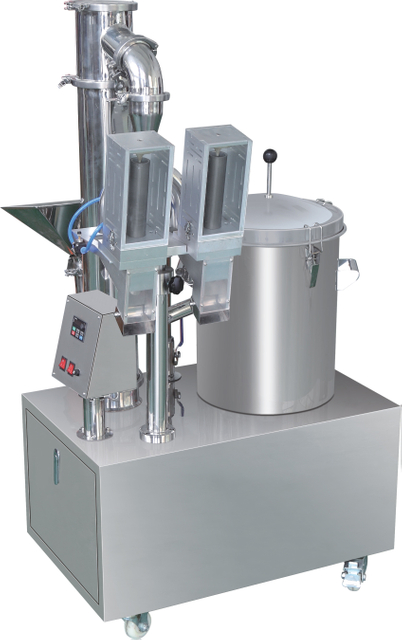
Multifunctional Necessity: Modern equipment extends beyond basic polishing to include vertical lifting, empty capsule sorting, and seamless integration with metal detectors.
Compliance as a Baseline: True GMP compliance requires 316L stainless steel contact parts, FDA-approved nylon brushes, and tool-less dismantling for validated cleaning procedures.
Throughput Alignment: Selecting the right machine requires matching the polisher’s processing speed (capsules per hour) with the maximum output of the upstream capsule filling machine to prevent bottlenecks.
Risk Mitigation: The primary implementation risks involve static buildup, capsule scratching, and vacuum blockages, which must be mitigated through proper grounding, adjustable brush speeds, and routine troubleshooting protocols.
Table of Contents
Let us detail the blister packaging line mechanics. When capsules leave the filler, they carry a fine dusting of active pharmaceutical ingredients (API) and excipients. If this dust transfers to the PVC or aluminum forming web, the heat-sealing station fails. The knurled rollers press the foil down, but the powder acts as a physical barrier. You get micro-leaks. These leaks fail the vacuum leak test later down the line, forcing you to throw away entire blister cards.
Optical inspection systems also suffer from dusty capsules. High-speed cameras look for dents, cracks, or color variations. A clump of white powder on a colored capsule triggers a false reject. The camera cannot tell the difference between external dust and a cracked shell. You lose good product. Static electricity compounds the problem. Gelatin capsules rubbing together generate static charges. They stick to the hopper walls and bridge across the feed chutes. Operators have to physically hit the hoppers with mallets to keep the product moving, which damages the capsules and wastes labor.
You need hard numbers to evaluate polishing success. Visual inspection alone leaves too much room for operator error. Establish strict baseline metrics for the polishing station.
Target zero visible powder residue under 1000-lux cleanroom lighting.
Maintain a capsule deformation rate below 0.1% during the mechanical agitation process.
Achieve 100% rejection of empty or fragmented capsule shells before they reach the metal detector.
Keep the internal temperature of the polishing chamber within 2°C of the ambient room temperature to prevent gelatin softening.
Aggressive brushing can easily dent or crack brittle gelatin shells if improperly calibrated. Allowing unfilled capsules to reach the blister packaging stage guarantees consumer complaints and potential regulatory action.
Regulatory bodies classify external powder as a severe cross-contamination hazard. Effective polishing operates as a mandatory quality control gate. Auditors actively look for powder accumulation on packaging lines as a sign of failed containment protocols. If a facility processes multiple APIs in the same suite, airborne dust from unpolished capsules poses a massive cross-contamination risk. It settles on adjacent equipment and HVAC returns. Swab tests will pick up this migration, causing you to fail your cleaning validation. Implementing robust dust extraction at the polishing stage contains the API before it spreads across the packaging hall.
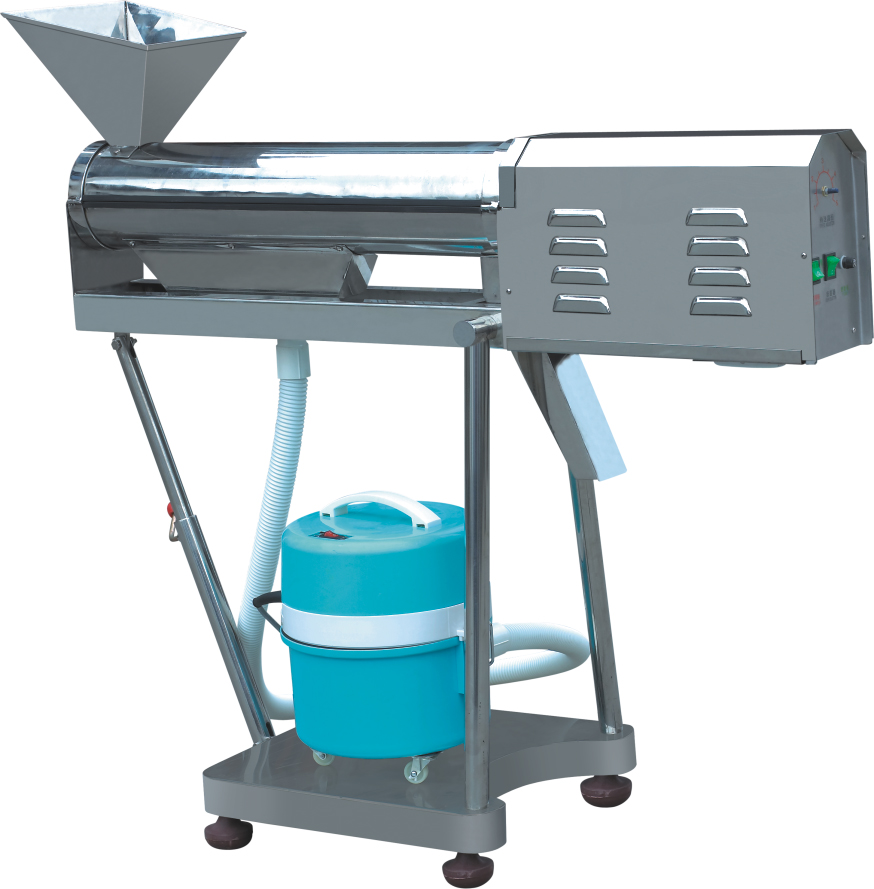
Polishing relies on two simultaneous actions. Mechanical agitation breaks the static bond between the powder and the capsule shell. Vacuum extraction removes the freed powder. You cannot have one without the other. The rotating brush uses soft nylon bristles to sweep the capsules against a perforated 316L stainless steel mesh screen. The vacuum pulls air through this mesh.
If your vacuum drops below the required cubic feet per minute (CFM), the brush simply smears the powder. It pushes the dust into the microscopic pores of the gelatin, resulting in a dull, cloudy capsule. You must monitor the differential pressure across the vacuum filter. When the filter blinds, suction drops, and polishing quality plummets. The brush rotation speed must synchronize perfectly with the vacuum airflow to ensure thorough cleaning without damaging the shell.
You do not want empty capsules reaching the blister line. They cause empty pockets and trigger downstream rejections. Advanced units feature aerodynamic or mechanical sorting capabilities. As capsules exit the brushing chamber, they pass through a controlled horizontal airstream.
Properly filled capsules possess enough mass to drop straight through the airstream into the acceptable product chute. Lightweight, defective capsules are blown off trajectory into a dedicated reject bin. You adjust the air velocity based on the target fill weight. A heavy #00 capsule requires more air to sort than a light #3 capsule. This integrated sorting eliminates the need for standalone weight checkers for gross defects.
Floor space is expensive and highly restricted in cleanrooms. Traditional horizontal polishers discharge capsules at knee height. You then need a bucket elevator or a vacuum transfer system to lift the capsules into the metal detector or the blister machine hopper. This adds another piece of equipment to clean and maintain.
Vertical capsule polishers solve this issue by elevating the product during the polishing cycle. The internal brush is shaped like an auger. As it spins, it pushes the capsules up a spiral track inside the mesh cylinder. The capsules enter at the bottom and exit at the top, feeding directly into elevated metal detectors or collection bins. Combining lifting and polishing into a single continuous motion streamlines the production line and reduces the number of product contact surfaces requiring cleaning validation.

Change parts cost money and delay production. Older machines required a different brush and mesh screen for every capsule size. A modern Capsule Polishing Machine accommodates a full range of capsule sizes from #000 to #5 without requiring expensive, time-consuming change parts.
The equipment relies instead on adjustable brush tensions and variable sorting airflow. You simply adjust the distance between the brush bristles and the mesh screen. You move the central shaft closer to the mesh for small capsules and move it away for large capsules. This universal compatibility drastically reduces changeover times between different product runs, maximizing overall equipment effectiveness.
Typical Brush Gap Adjustments by Capsule Size
Capsule Size | Average Outer Diameter (mm) | Recommended Brush Gap (mm) | Agitation Intensity |
|---|---|---|---|
#000 | 9.97 | 10.5 | Low |
#00 | 8.53 | 9.0 | Medium-Low |
#0 | 7.65 | 8.0 | Medium |
#1 | 6.91 | 7.5 | Medium |
#2 | 6.35 | 7.0 | Medium-High |
#3 | 5.82 | 6.5 | High |
#4 | 5.31 | 6.0 | High |
You must calculate required capacity accurately before procurement. Never buy a polisher that exactly matches your filler's output. If your filler runs at 100,000 capsules per hour, a 100,000/hr polisher will bottleneck. Fillers discharge in surges. The polisher must clear these surges instantly. Always specify a polisher with a 20% to 30% higher capacity than your filler.
Running a polisher at maximum motor strain constantly leads to premature failure and overheating. Heat transfers to the polishing chamber. Gelatin capsules soften and stick together at temperatures above 30°C. Size the motor so it runs at 70% load during normal operation. This buffer ensures the polisher can clear minor surges in capsule flow without causing a backup at the filler outfeed chute.
Material specifications remain non-negotiable for pharmaceutical manufacturing. Look at the material certificates. Product contact surfaces must utilize 316L stainless steel to resist corrosion from aggressive cleaning agents. The surface finish must be Ra < 0.4 µm to prevent powder from sticking to the metal. Sanitary welds and crevice-free designs prevent powder accumulation and bacterial growth.
Brushes require non-shedding, FDA-approved nylon bristles. If a nylon bristle breaks off and ends up in a blister pack, you have a critical defect. Equipment frames should utilize 304 stainless steel with a high-polish finish. Avoid any equipment featuring exposed threads, sharp internal corners, or painted surfaces in the product zone.
Evaluate the physical adaptability of the unit on the production floor. You will move this machine constantly. You roll it to the filler for production and roll it to the wash bay for cleaning. Look for lockable polyurethane caster wheels for easy repositioning without damaging epoxy cleanroom floors.
Adjustable infeed and outfeed heights are essential for line integration. Fillers from different manufacturers have different discharge heights. The polisher must dock perfectly with all of them. Variable tilt angles ensure seamless docking with various upstream capsule filling machines and downstream metal detectors. If the drop from the filler to the polisher is too high, the capsules will dent on impact.
Rapid changeovers dictate production efficiency. Operators should never need a wrench or screwdriver to clean the machine. Look for quick-release mechanisms that allow operators to remove the brush and cylinder without specialized tools. Tri-clamp connections should secure the vacuum lines. Toggle latches should secure all major housing components. Pull-pins should release the drive shaft.
A trained operator should strip the machine down to its base components in under five minutes. Tool-less dismantling minimizes downtime between batches and simplifies cleaning validation procedures. Complex dismantling leads to skipped cleaning steps, which inevitably leads to cross-contamination.

Equipment Configuration Comparison
Configuration Type | Primary Advantages | Potential Drawbacks | Ideal Application Scenario |
|---|---|---|---|
Standalone Polisher | Lower initial investment, simple maintenance, easy to swap out if failure occurs. | Requires separate sorting and lifting equipment, consumes more total floor space. | Low-speed production lines or facilities with ample cleanroom space. |
Integrated Combi-Unit (Polish/Sort/Lift) | Minimal footprint, single validation protocol, seamless internal product transfer. | Higher upfront capital expenditure, single point of failure stops the entire line. | High-speed lines, space-constrained cleanrooms, highly automated facilities. |
Purchasing a single-function polisher versus a combi-unit involves specific trade-offs. You can buy a polisher, a sorter, and a metal detector as three separate machines, or you can buy them built into a single continuous frame. Combi-units save space and eliminate integration headaches between different vendor platforms. They require one power drop and one validation protocol.
However, they carry a higher upfront capital expenditure and introduce single-point-of-failure risks. If the metal detector on a combi-unit fails, you lose your polishing capability as well. Standalone units offer modular flexibility and redundancy. If a standalone metal detector fails, you can roll in a spare and keep running. You must weigh the value of floor space against the risk of downtime.
Cheaper, entry-level machines often incur higher long-term maintenance costs. Do not buy based on the initial purchase price alone. Budget machines typically utilize lower-grade bearings and weak vacuum seals. The powder bypasses the seals and destroys the bearings within months. Frequent brush replacements and motor burnouts quickly erase initial savings.
High-quality machines use labyrinth seals that keep powder out of the mechanical zones. They use direct-drive motors that eliminate belts entirely. Investing in robust, precision-engineered equipment reduces spare parts consumption and minimizes unscheduled downtime. Longer cleaning validation times on poorly designed machines also drain operational budgets over the equipment's lifespan.
Cleanroom real estate remains highly restricted and expensive to maintain. Measure your room before you buy. Map out the physical dimensions of the filler, the polisher, the metal detector, and the collection bins. Draw the operator walkways to ensure compliance with safety and ergonomic standards. You need clearance to open the machine doors and room to maneuver the product bins.
Horizontal polishers require separate lifting mechanisms, consuming significant floor space and disrupting laminar airflow patterns. Vertical polishers combine lifting and cleaning, offering a much smaller footprint. If space is tight, a vertical polisher is mandatory to stack the process vertically.
Static is the enemy of powder handling. The brushing process generates static electricity, particularly in low-humidity environments. Nylon brushes rubbing against gelatin create a massive static charge. Static causes capsules to clump together and stick to the acrylic inspection windows. The powder clings to the capsules instead of pulling into the vacuum.
Mitigate this by specifying machines with integrated anti-static bars or dedicated grounding systems. Ensure the equipment frame connects directly to the facility's grounding grid. Install ionizing bars at the discharge chute to flood the capsules with positive and negative ions, neutralizing the static charge before the capsules drop into the collection bin. Maintaining cleanroom humidity levels between 40% and 50% also naturally dissipates static charges.
Aggressive polishing damages the capsule surface or degrades printed logos. You control the polishing intensity with a Variable Frequency Drive (VFD). VFDs allow operators to precisely control brush speed based on capsule size and shell fragility. A #000 capsule requires different agitation dynamics than a #4 capsule.
Start new product runs at the lowest effective brush speed. Inspect the first batch of capsules. If you see powder, increase the RPM incrementally. Stop increasing the speed as soon as the capsules are clean. Running the brush faster than necessary will scratch the printed logos and thin the capsule walls.
Establish a strict troubleshooting protocol to address typical operational faults.
Vacuum Line Blockages: Check the inline Magnehelic gauge. If pressure drops, clean the dust collector filter and inspect the flexible vacuum hose for kinks.
Sorting Mechanism Jams: Check the compressed air supply. The sorting jets require constant pressure. If line pressure fluctuates, heavy capsules will end up in the reject bin.
Motor Strain: Listen to the machine. A whining motor indicates a blinded stainless steel mesh screen. The powder cannot escape, creating friction against the brush. Stop the machine and wash the screen.
Integrate automated fault alarms to alert operators before a minor blockage causes a massive powder spill.
The human element remains critical to equipment success. Even the best equipment fails without strict SOPs. Write clear SOPs and do not rely on tribal knowledge. The SOP must detail the exact brush gap setting for every capsule size and specify the VFD frequency.
Train operators on daily brush inspection and vacuum pressure monitoring. Require routine calibration of the sorting mechanism to maintain defect rejection accuracy. Operators must know how to properly tension the drive belts and identify abnormal motor vibrations. Train operators to look for frayed bristles and replace the brush before it sheds into the product. Documented, hands-on training prevents the majority of mechanical failures.
Audit current batch rejection rates caused by powder residue to build a business case for equipment upgrades.
Measure available line space at the filler outfeed to determine if a vertical or horizontal configuration fits best.
Request Factory Acceptance Testing (FAT) protocols from shortlisted equipment vendors to verify performance claims before authorizing shipment.
Draft a standardized cleaning validation protocol based on the specific tool-less dismantling features of the selected unit.
Founded in 2003, TIANHONG is a pharmaceutical machinery manufacturer integrating R&D, manufacturing, sales, and service, with a product portfolio covering capsule filling machines, capsule polishing equipment, and related capsule production solutions. With more than two decades of industry experience, the company supports pharmaceutical manufacturers in building efficient and reliable capsule processing lines tailored to different production requirements.
A: The equipment uses a combination of rotating brushes and vacuum suction. As capsules travel through a mesh cylinder, a rotating nylon brush gently sweeps away loose powder. Simultaneously, an attached industrial vacuum extracts the dislodged external dust through the mesh, leaving the capsules clean and ready for final packaging.
A: Yes. Advanced models feature integrated aerodynamic sorting features. They utilize compressed air or vacuum pressure to eject lightweight, out-of-spec capsules. Empty, half-filled, or fragmented shells are automatically separated from the acceptable product stream and discharged into a dedicated reject bin.
A: Most modern machines process sizes #000 through #5 without requiring specific change parts. Operators utilize adjustable settings, modifying the brush tension, rotation speed, and sorting airflow to accommodate different capsule dimensions and weights efficiently.
A: Vertical models elevate capsules during the cleaning process, allowing direct discharge into elevated metal detectors while maintaining a highly compact footprint. Traditional horizontal designs clean capsules on a flat plane and often require separate bucket elevators to lift the product for downstream processing.
A: Yes. Standard integration involves aligning the filler outfeed directly with the polisher infeed chute. Modern polishers feature height adjustability, variable tilt angles, and lockable caster wheels to ensure seamless mobility and precise physical docking with various filling machines.
A: GMP compliance mandates that all product contact parts utilize 316L stainless steel and FDA-approved materials like nylon. The equipment must feature easily cleanable, crevice-free sanitary designs. Tool-less dismantling is also required to facilitate thorough, validated cleaning procedures between production batches.
