

Views: 0 Author: Site Editor Publish Time: 2026-07-28 Origin: Site


Capsule filling defects carry a direct financial impact that extends far beyond minor operational annoyances. Wasted active pharmaceutical ingredients (API), decreased batch yields, and unscheduled machine downtime quickly erode profit margins. Recurring Capsule Filling Problems represent critical compliance and profitability risks that threaten cGMP standards and limit production scalability. Ignoring these defects leads to compounded mechanical failures and regulatory scrutiny.
You need a systematic approach to diagnose root causes effectively. Operators must distinguish between material formulation issues, human error, and mechanical tooling failures. This requires analyzing the process across the seven key encapsulation stations. By identifying the exact point of failure, you can implement permanent corrective actions rather than temporary fixes. This guide breaks down defect resolution and machine optimization to restore your production efficiency.

Most physical capsule defects (denting, splitting, breakage, telescoping) stem from improper machine calibration, specifically excessive closing length, overfilling, or loose dowel pins.
Inconsistent fill weights are typically a symptom of poor powder flowability, worn tamping pins, misaligned dosing disks, or distorted filling rings rather than capsule shell quality.
Resolving capsule separation failures requires a strict baseline of vacuum pressure maintenance, correct capsule size verification, and rigorous, shift-based deep cleaning protocols.
Deciding between tooling replacement and full machine upgrades depends on calculating the long-term cost of downtime versus the capital expenditure of modern, automated encapsulation equipment.
Table of Contents
An optimized encapsulation process operates within strict success criteria. You should expect a defect rate below one percent. Consistent weight uniformity must align with pharmacopeia standards. Continuous operation without frequent jamming is mandatory for production efficiency. When equipment fails to meet these benchmarks, the entire manufacturing line suffers. Operators spend hours clearing jams instead of monitoring batch quality, and maintenance teams are forced into reactive firefighting rather than scheduled upkeep.
The cost of inaction accumulates rapidly. Ignored defects lead to severe API loss, which is especially costly with high-value formulations. Batch rejections waste materials and labor hours. Consistent quality failures invite regulatory scrutiny and potential audit penalties. Furthermore, forcing a misaligned machine to run accelerates wear on expensive components like dosing disks and tamping pins. A minor alignment issue at the separation station can easily cascade into catastrophic tooling damage at the closing station if left unchecked.
You must establish a strict evaluation baseline. Track specific defect types per batch to diagnose the root cause accurately. Document whether you are seeing split capsules, weight variations, or separation failures. This data reveals if the issue is systemic across the entire machine or localized to specific tooling stations. Accurate tracking prevents unnecessary adjustments to properly functioning components.
Defect Category | Primary Business Impact | Typical Frequency When Unchecked | Immediate Action Required |
|---|---|---|---|
Separation Failures | High machine downtime, crushed shells | High (Multiple times per shift) | Check vacuum pressure and filter cleanliness |
Weight Variations | Batch rejection, API waste, compliance failure | Medium (Batch-dependent) | Verify powder flow and tamping pin depth |
Telescoping/Splitting | Product contamination, visual defect rejection | Low to Medium | Recalibrate closing length and check dowel pins |
Ejection Failures | Tooling jams, mechanical damage | Low | Inspect ejection pins and discharge chute |
Unseparated capsules reaching the dosing station ruin batch uniformity. You might see capsules loaded upside down. Sometimes they get crushed in the rectification block. Often, they fail to sit properly in the segments. The rectification station relies on precise mechanical timing and vacuum pressure to orient and separate the empty shells. When this timing is off by even a fraction of a second, the entire downstream process is compromised.
Several root causes trigger these separation failures. Inadequate vacuum pressure is the most common culprit. Blocked vacuum filters restrict the necessary suction, preventing the capsule body from pulling away from the cap. Worn rectification tooling or misaligned pusher fingers fail to orient the shells correctly in the magazine. Using mismatched capsule sizes for the installed tooling set guarantees failure. For example, running Size 0 shells on Size 1 tooling will cause immediate jams. Dowel pin displacement or loose dowel pins cause severe misalignment between the upper and lower segments, physically blocking the separation process.
Follow a strict resolution protocol to fix separation issues:
Verify your vacuum gauge pressure against minimum threshold checks (typically around -0.06 to -0.08 MPa depending on the machine).
Inspect the separation block and vacuum lines for micro-powder buildup that restricts airflow.
Align and calibrate the rectification pushers carefully, ensuring the horizontal and vertical strokes are perfectly timed.
Check all dowel pins for tightness and proper seating to guarantee segment alignment.
Verify capsule size consistency against your batch records before starting a run.
Batch weight variations exceeding acceptable pharmacopeia limits indicate dosing failures. You will often notice excessive powder accumulation on the machine bed. Powder spills and leakage waste expensive API and create cross-contamination risks. The dosing station is the heart of the encapsulation process, relying on a delicate balance between powder rheology and mechanical compression.
Poor powder flow characteristics often disrupt dosing. Cohesiveness, electrostatic charge, or incorrect moisture content prevent uniform filling of the dosing disk cavities. Worn tamping pins create an uneven powder bed depth, leading to inconsistent plug formation across the five or six tamping stations. Damaged or misaligned dosing disks fail to transfer the correct volume. Misaligned or worn filling rings, primarily in semi-automatic machines, cause uneven powder distribution. Worn sealing rings and excessive clearance gaps between the dosing disk and the wiper block allow powder to escape before it reaches the capsule body.
Adjust tamping pin penetration depth to ensure uniform powder plug formation. Start with the first tamping station and progressively adjust the depth to build a solid, cohesive plug. Optimize the powder formulation if mechanical adjustments fail. Utilizing glidants like colloidal silicon dioxide improves flowability. Verify and reset the tolerance gap between the dosing disk and the wiper block using feeler gauges; this gap should typically be between 0.05mm and 0.1mm. Inspect filling rings for warping. Replace worn sealing rings immediately to stop powder spills.

Damaged, unseparated, or deformed capsule shells must be rejected before the closing station. When they fail to eject, they cause severe downstream tooling jams. This halts production and risks damaging the closing pins. The pre-closure ejection station acts as a critical quality control gate, ensuring only properly separated and filled capsules proceed to final assembly.
Faulty ejection pins are the primary mechanical cause. Over time, these pins can bend or wear down, failing to push the unseparated capsules out of the upper segment. A misaligned reject segment prevents the pins from striking the defective capsules accurately. In automated reject systems, sensor failure allows bad capsules to pass through undetected, contaminating the final batch with empty or unseparated shells.
Realignment of pre-closure ejection pins is the first step. Use a dial indicator to ensure the pins strike dead center on the capsule bores. Test sensor responsiveness using known defective capsules during a dry run. Ensure the scrap collection bin does not create back-pressure that prevents capsules from falling away freely. Clean the optical sensors daily to prevent powder dust from blinding the detection system.
Closing station faults produce highly visible defects. You will see crushed capsule domes and split bodies. Shattered shells contaminate the batch with plastic fragments. Telescoping occurs when the cap and body are misaligned and forced together, causing the shell to slide over itself. This station requires immense precision, as it applies mechanical force to lock the filled capsule without damaging the brittle gelatin or HPMC shell.
Overfilling the capsule body leaves insufficient space for closure. When the powder plug sits too high, the closing pins crush the powder against the cap, splitting the shell. Excessive closing pressure shatters brittle shells. Incorrect closing length settings crush the domes. Misaligned upper and lower tooling segments, often due to worn dowel pins, cause telescoping because the cap and body do not line up perfectly during the upward stroke. Brittle capsule shells result from low moisture content due to improper storage conditions in the warehouse.
Distinguish and calibrate your parameters carefully. Understand the difference between closing length, closing pressure, and lock length. Closing length is the overall compressed locked capsule dimension measured with digital calipers. Recalibrate the closing station to exact manufacturer specifications for the specific capsule size you are running. Transition to elongated capsule profiles to accommodate higher volume fills without overfilling. Verify environment relative humidity (RH) levels in the production suite to prevent brittle shell breakage.
Locked, finished capsules sometimes fail to eject. Capsules may open or split post-ejection. Powder buildup in the cleaning station causes subsequent capsule defects during the next cycle. The final ejection station must clear the segments completely, and the cleaning station must remove all residual powder before the segments rotate back to the rectification station.
Faulty ejection pins fail to push the finished product out. Structural blockages in the discharge chute cause backups, leading to capsules getting crushed by the rotating turret. Static electricity buildup makes capsules cling to the machinery and each other. Incomplete automatic tooling cleaning leaves powder residue in the segments, which binds the empty shells during the next separation cycle.
Inspect and replace worn ejection pins regularly. Install static eliminators or ionizers on the discharge chute to keep capsules flowing smoothly into the collection bins. Optimize the compressed air pressure at the cleaning station. This ensures all powder residue is cleared from the segments before the next cycle begins. Check the vacuum extraction at the cleaning station to ensure the blown powder is actually removed from the machine bed.
Mapping specific tooling upgrades to direct outcomes improves machine performance. Hard-chrome or Teflon-coated tamping pins prevent sticky powders from adhering, reducing weight variations and machine stops. High-precision dosing disks directly reduce powder leakage and weight variance by maintaining tighter tolerances against the wiper block. Upgrading these specific parts often resolves chronic issues without requiring a new machine.
You must define measurable wear tolerances. Use micrometers and bore gauges to check tooling dimensions against OEM specifications. When components exceed acceptable tolerances, they are beyond repair. For example, if the dosing disk cavities show uneven wear or scoring, no amount of adjustment will fix the weight variation. Replacement is mandatory to maintain cGMP compliance and product quality.
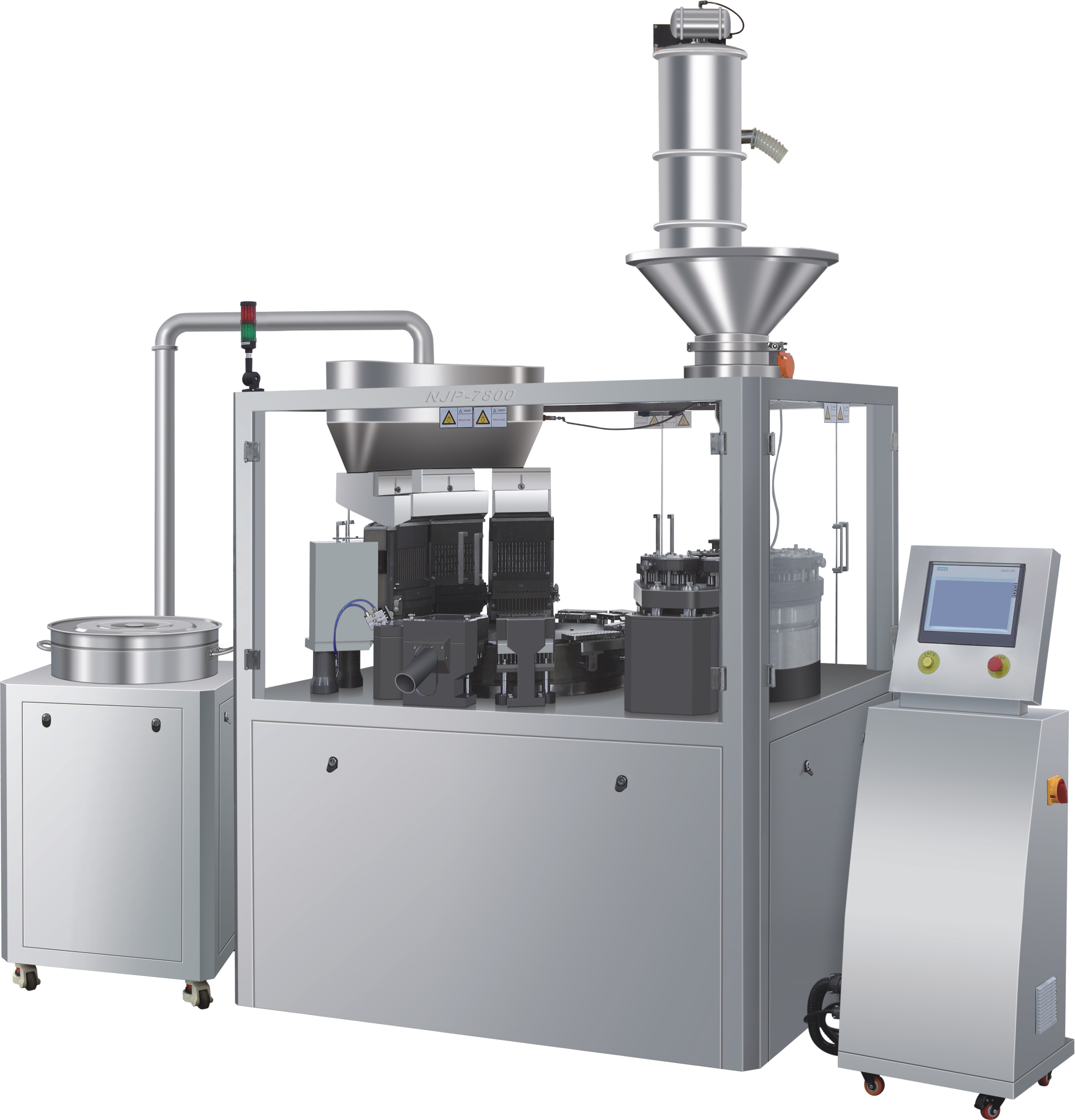
Legacy equipment limits production capacity. Older machines often lack modern containment features, increasing the risk of cross-contamination. Outdated cleaning mechanisms require excessive manual labor and extend changeover times. When you spend more time fixing a machine than running it, the equipment has become a liability.
Compare the immediate cost of purchasing OEM replacement parts against long-term ROI. Investing in a modern encapsulation machine offers significant advantages. New equipment features automated defect rejection and wash-in-place (WIP) technology. Advanced HMI diagnostics help operators identify and resolve issues instantly, drastically reducing downtime. Modern machines also offer better servo-driven controls, allowing for precise adjustments on the fly without stopping the production run.
Operator error during machine changeovers introduces significant implementation risks. Incorrectly installed tooling guarantees defective batches. There is a high danger of over-adjusting machine parameters without documenting baseline settings. This makes it impossible to revert to a known good state when troubleshooting goes wrong.
Create a strict standard operating procedure (SOP) for all changeovers. Require secondary verification for tooling installation, meaning a second operator or supervisor must sign off on the setup before the machine is turned on. Mandate that operators log all parameter adjustments in the batch record. This creates a traceable history of machine settings for future troubleshooting.
Powder residue destroys machine timing and causes separation failures. Outline a non-negotiable, shift-end cleaning procedure. Focus heavily on vacuum lines, dosing stations, and separation blocks. Removing micro-powder buildup prevents powder-binding and ensures the mechanical components move freely.
Use designated cleaning tools that will not scratch polished surfaces. Brass or plastic scrapers are preferable to steel tools. Verify that all vacuum filters are cleared or replaced. Proper shift-end deep cleaning is the most effective way to prevent capsule shell separation failure during the next run.
Shift from reactive troubleshooting to proactive maintenance. Provide a framework for daily, weekly, and monthly inspection routines. Document every maintenance action. A well-maintained machine runs predictably. Preventative maintenance eliminates the majority of mechanical defects before they impact your batch yield.
Maintenance Interval | Key Inspection Points | Expected Outcome |
|---|---|---|
Daily (Pre-Shift) | Check vacuum pressure, clean optical sensors, verify compressed air lines. | Prevents separation failures and sensor misreads. |
Weekly | Inspect dowel pins, lubricate cams, check wiper block clearance. | Maintains segment alignment and consistent dosing weights. |
Monthly | Measure tooling wear with micrometers, test vacuum seals, inspect drive belts. | Identifies components needing replacement before catastrophic failure. |
Audit your current defect rates and maintenance logs to identify recurring mechanical failures.
Implement a strict, shift-end deep cleaning protocol focusing on vacuum lines and separation blocks.
Measure tooling wear with micrometers and replace components that exceed OEM tolerances.
Establish a secondary verification SOP for all machine changeovers and parameter adjustments.
Backed by years of experience in pharmaceutical machinery manufacturing, TIANHONG has become a trusted partner for pharmaceutical companies worldwide, delivering advanced capsule filling equipment and complete production solutions. Combining continuous technological innovation, precision manufacturing, and strict quality control, the company provides reliable equipment designed to improve production efficiency, ensure consistent filling accuracy, and support compliance with international GMP standards.
From standalone capsule filling machines to fully integrated pharmaceutical production lines, TIANHONG offers comprehensive engineering support, customized solutions, installation and commissioning services, and responsive after-sales assistance. Its commitment to quality, automation, and long-term customer success helps manufacturers reduce downtime, optimize productivity, and achieve reliable pharmaceutical manufacturing performance.
A: Denting is primarily caused by overfilling the capsule body, leaving insufficient space for the cap. Excessive closing pressure and incorrect closing length settings also crush the capsule domes. Ensure fill volumes match capsule capacity and calibrate closing parameters to OEM specifications.
A: Inconsistent weights usually stem from poor powder flowability, worn tamping pins, or misaligned dosing disks. Adjust tamping pin penetration depth for uniform plug formation. If mechanical fixes fail, add glidants to your powder formulation to improve flow characteristics.
A: Separation failure is almost always linked to inadequate vacuum pressure, blocked vacuum filters, or loose dowel pins causing misalignment. Verify your vacuum gauge pressure meets minimum thresholds and inspect the separation block for powder buildup.
A: Telescoping occurs when the capsule cap and body misalign during closure, causing the shell to split and slide over itself. Prevent it by replacing worn dowel pins that cause segment misalignment and ensuring the closing length is correctly calibrated.
A: The correct closing length is the overall compressed locked dimension specified by the capsule shell manufacturer. It varies by capsule size. Operators must calibrate the closing station to this exact specification using digital calipers to prevent denting or loose closures.
